
From 200 km to geostationary.
Four altitudes, four machines. Each one solves a different problem of getting a satellite where it needs to be, and keeping it there.
Propulsion, transfer vehicles and complete spacecraft, designed and built in Bengaluru.
Follow them through orbitElectric and green propulsion, transfer vehicles and complete spacecraft. Flight-proven in orbit, built in Bengaluru.
Four altitudes, four machines. Each one solves a different problem of getting a satellite where it needs to be, and keeping it there.
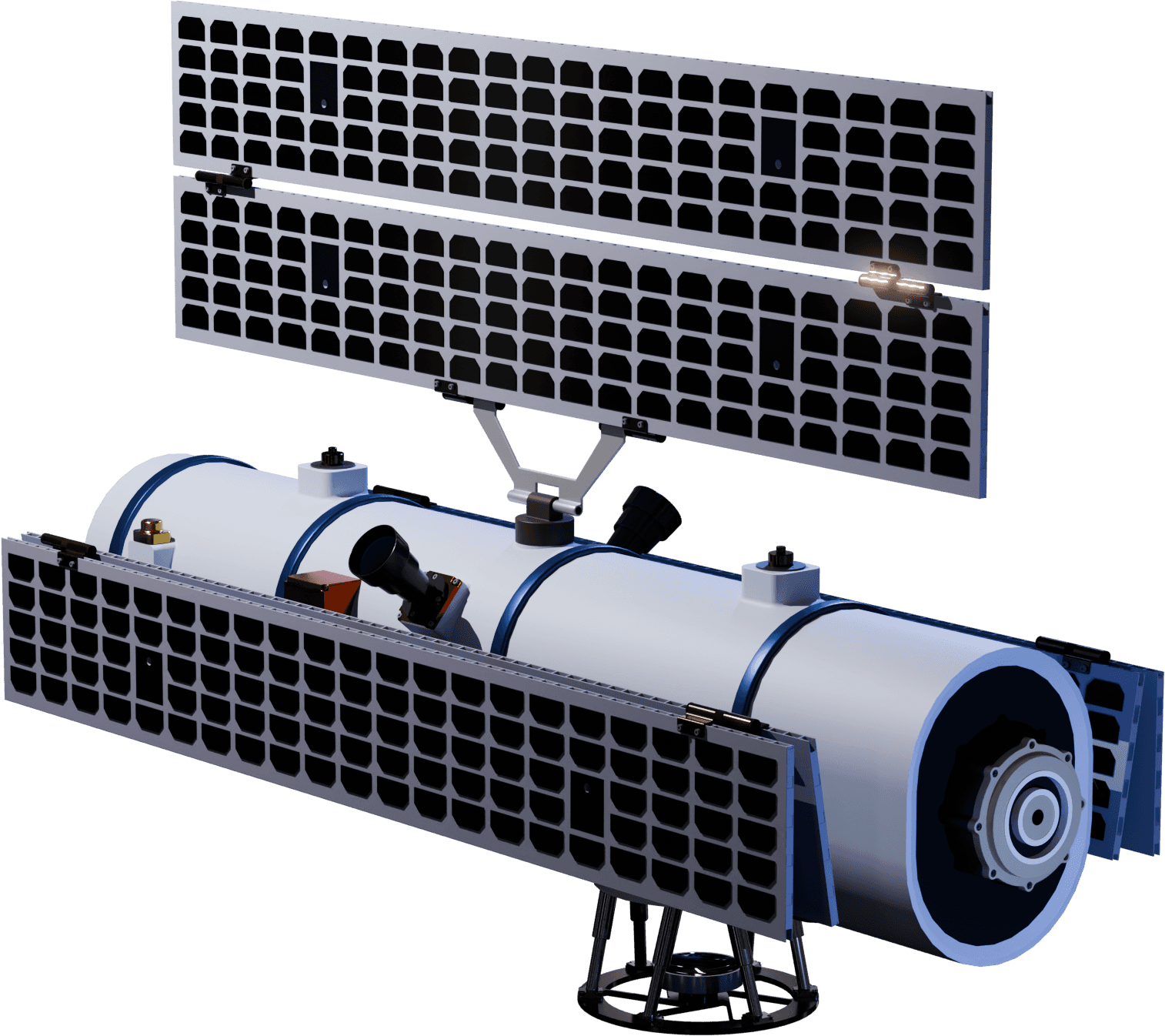
Ultra-low Earth orbit
A satellite built to fly where the atmosphere still drags. Lower means sharper imaging and shorter signal paths.
In development. Unveiled September 2024.
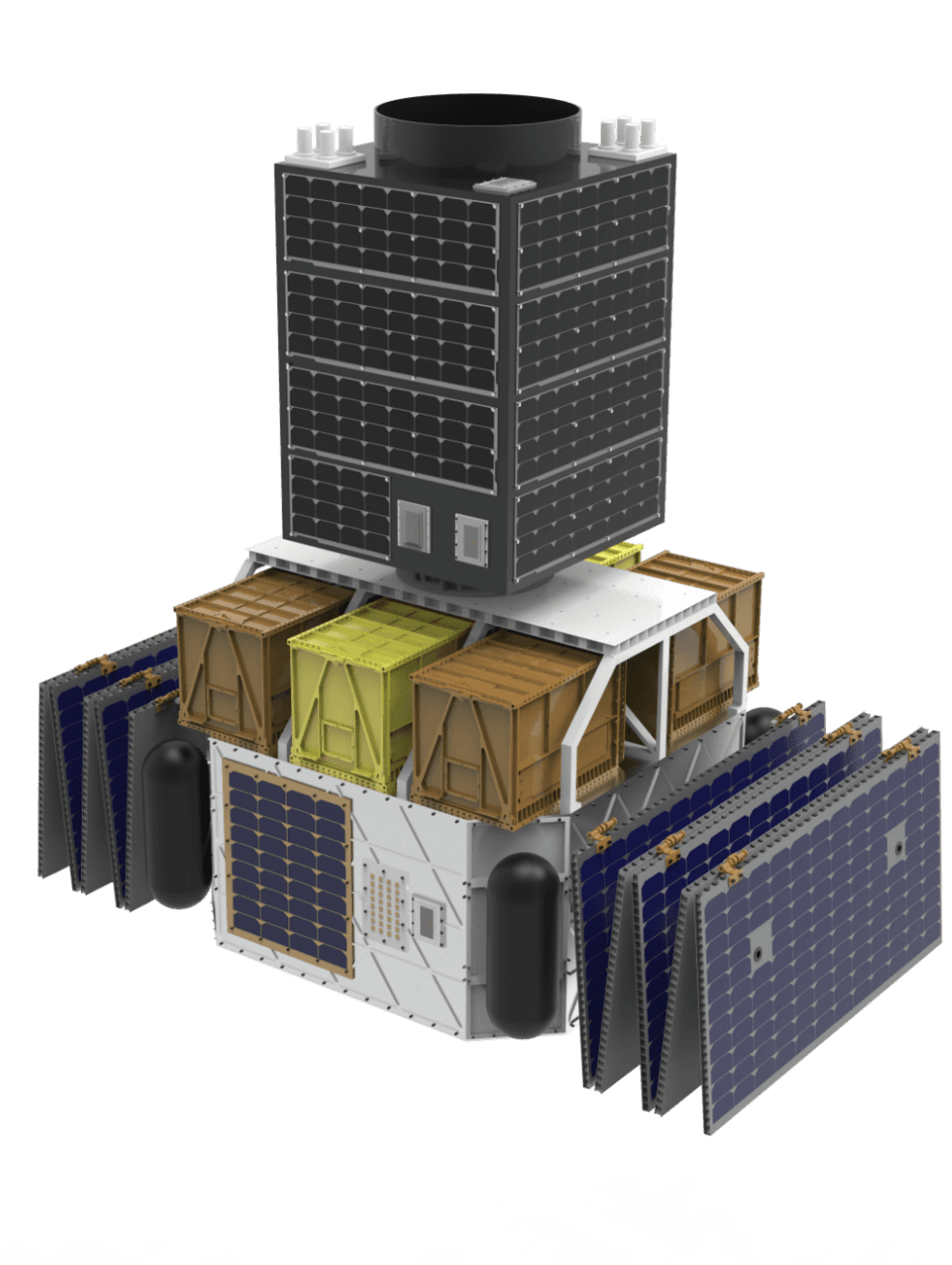
Low Earth orbit
Named for the flying chariot of the epics.
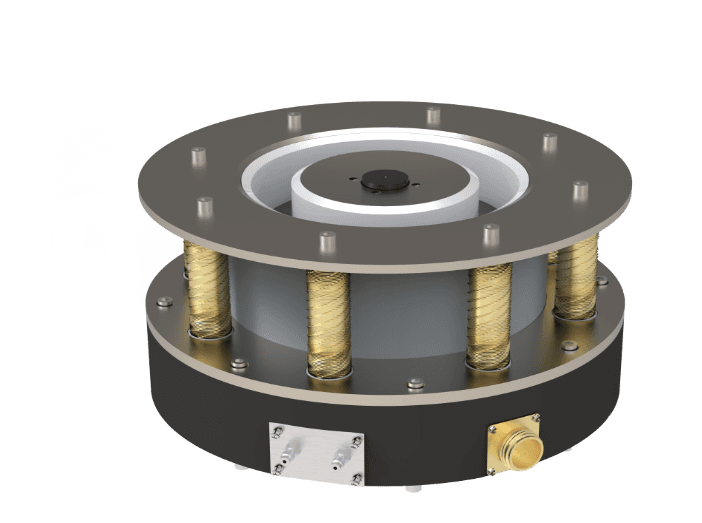
A transfer vehicle that carries small satellites from the rocket's drop-off point to the exact orbit each one needs.
Agreement with NSIL, ISRO's commercial arm, to fly on its launches.
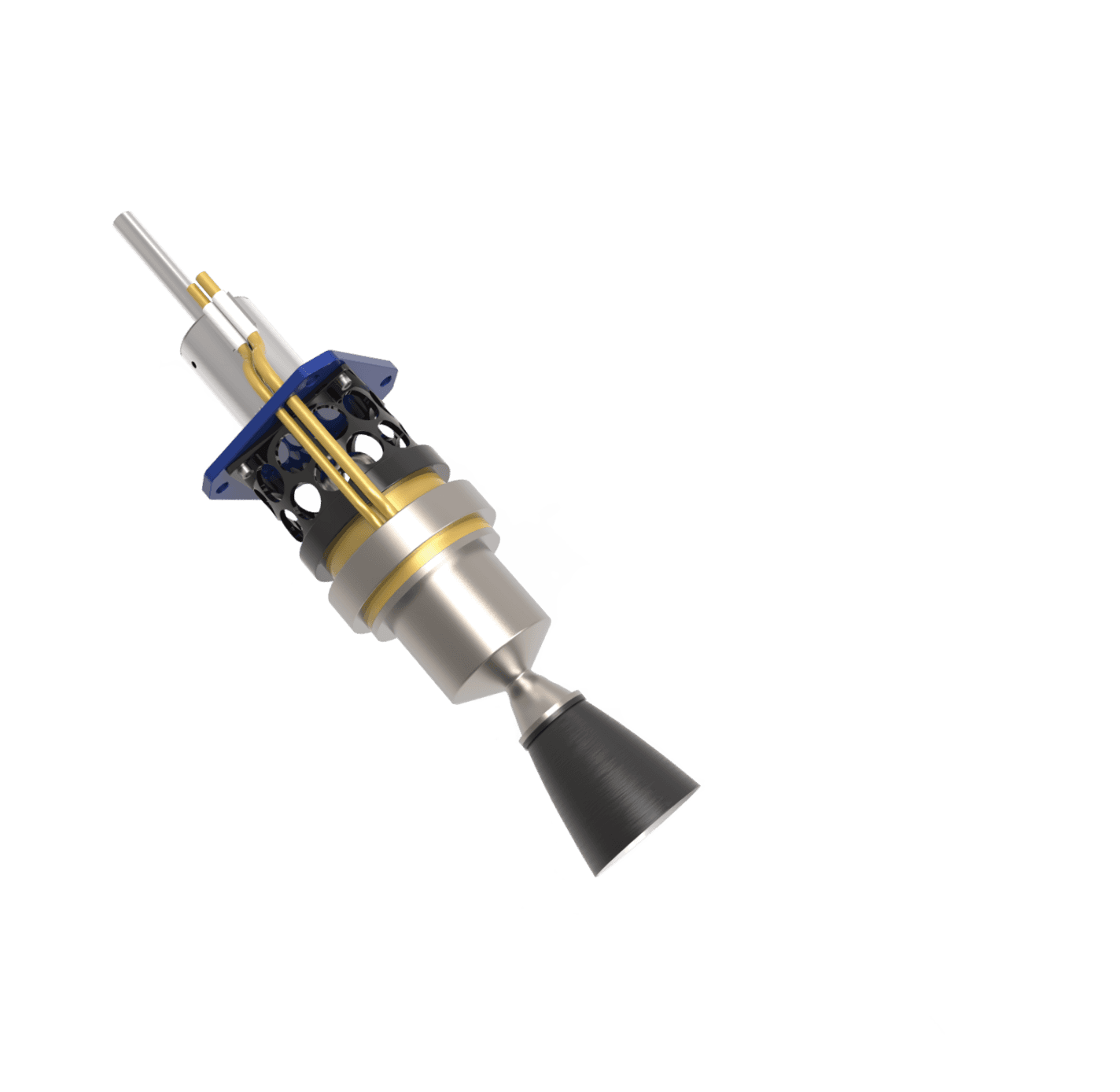
Manoeuvring in orbit
The roarer, the Vedic god of storms.
Green monopropellant thrusters for the hard, fast burns: orbit changes, collision avoidance, deorbit. Safer to handle than hydrazine.
Flown on PSLV-C58 (January 2024) and PSLV-C60 (January 2025).
Raising to geostationary
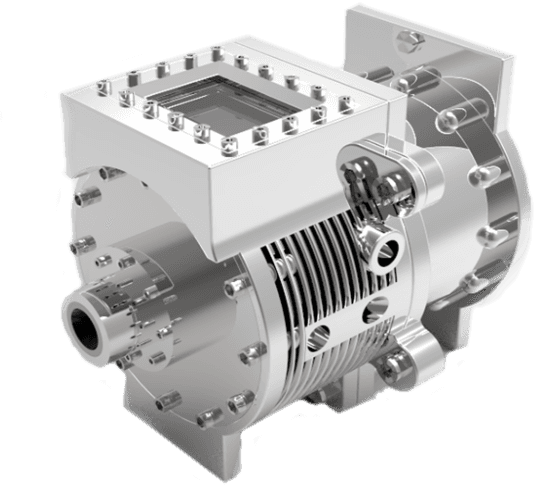
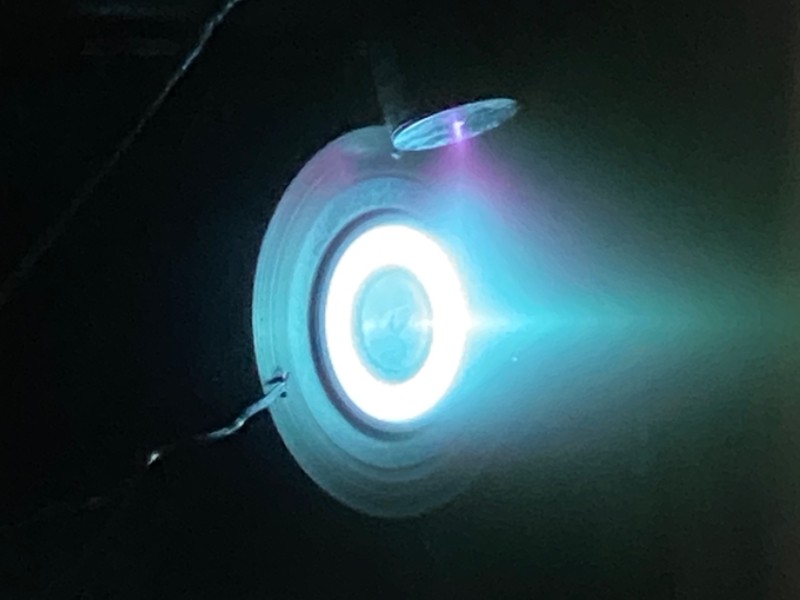
A ray of the sun.
Hall-effect electric thrusters that push gently for months, spiralling a satellite outward on a fraction of the propellant.
Flown on PSLV-C55 (April 2023) and PSLV-C58 (January 2024).
Three flights on ISRO's PSLV. A complete satellite in orbit since March 2026. Propulsion delivered in under six months.
Published performance for each line, with its flight status. Mass, envelope and interface data come with the full datasheet.
Hall-effect electric thruster
Long, efficient burns for orbit raising and station keeping.
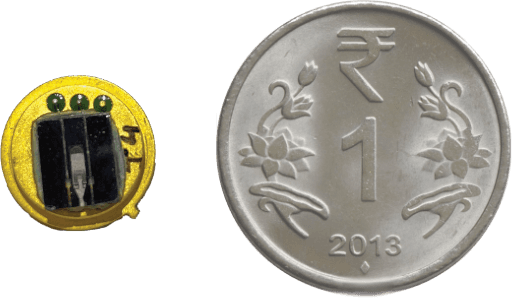
Request the datasheetAlso in the range: Fingernail, a propulsion unit for nanosatellites that is smaller than a coin. Ask us for current figures.
Hardware earns trust in orbit. The blue cards are missions.
Rohan M Ganapathy and Yashas Karanam start Bellatrix to build in-space propulsion.
Led by BASF Venture Capital and Inflexor Ventures.
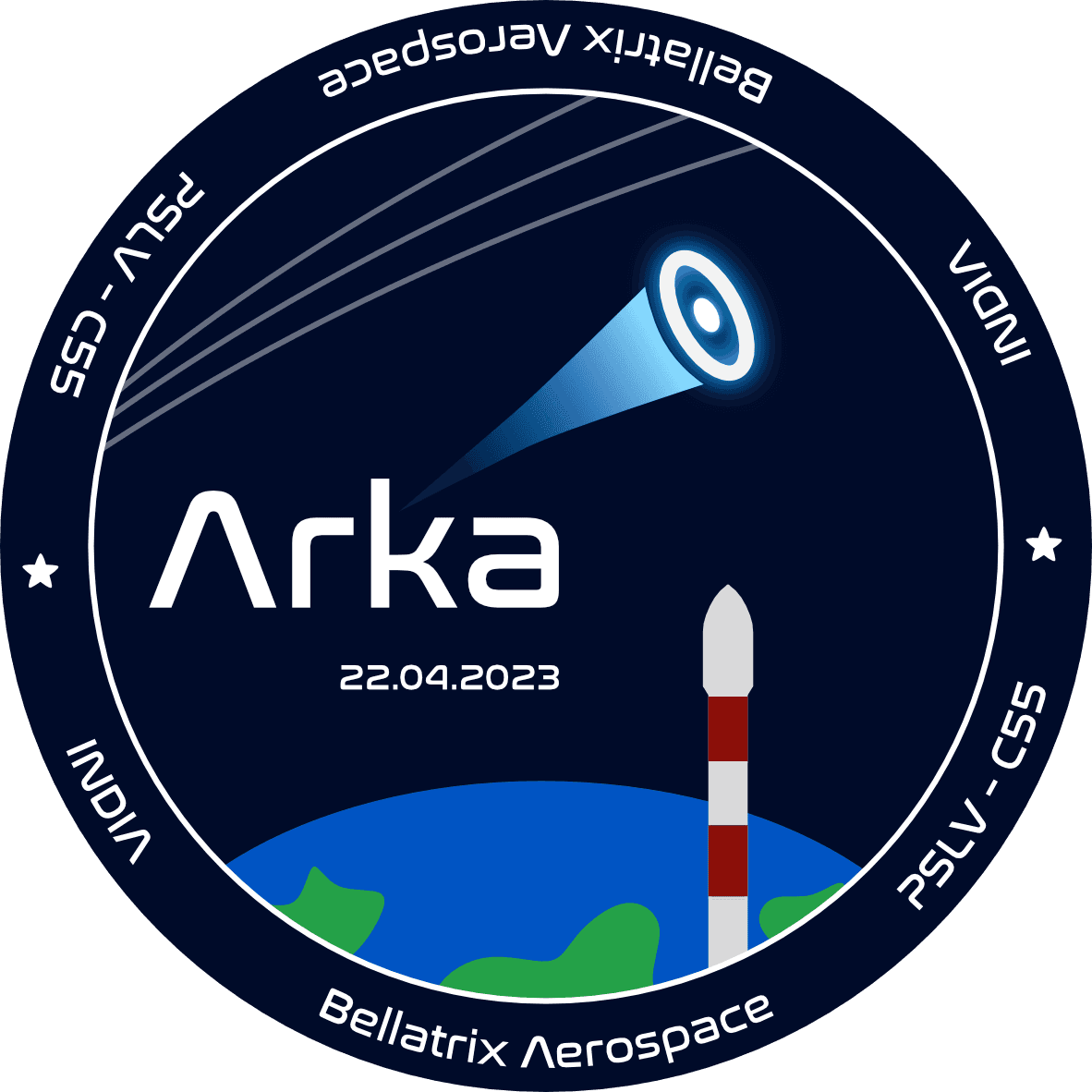 Arka flies on PSLV-C55
A Hall thruster rides ISRO's POEM-2 orbital platform.
MissionBoth thrusters are tested on POEM-3 and declared space-qualified.
MissionA memorandum to integrate the transfer vehicle into NSIL launches.
A repeat green-propulsion firing in orbit, on POEM-4.
MissionA memorandum on propulsion and in-orbit services, then a US entity.
Our first complete satellite, with our own attitude control, delivered to a 510 km orbit.
MissionCapital to scale manufacturing, alongside an agreement with Bharat Electronics.
A very-low-orbit imaging satellite on a Bellatrix bus, planned for 2028 or later.
“We've moved from flight-proven to factory-ready.”
Development, manufacturing and vacuum testing under one roof in Bengaluru.
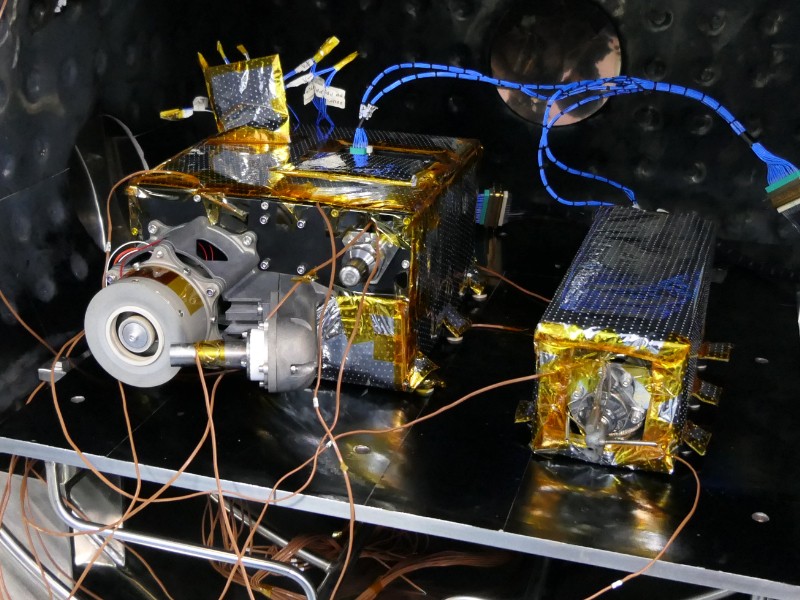
Propulsion systems built at production rate, not one at a time.
Share the orbit, the spacecraft mass and the timeline. A propulsion engineer replies with a sizing and a datasheet.